Summary
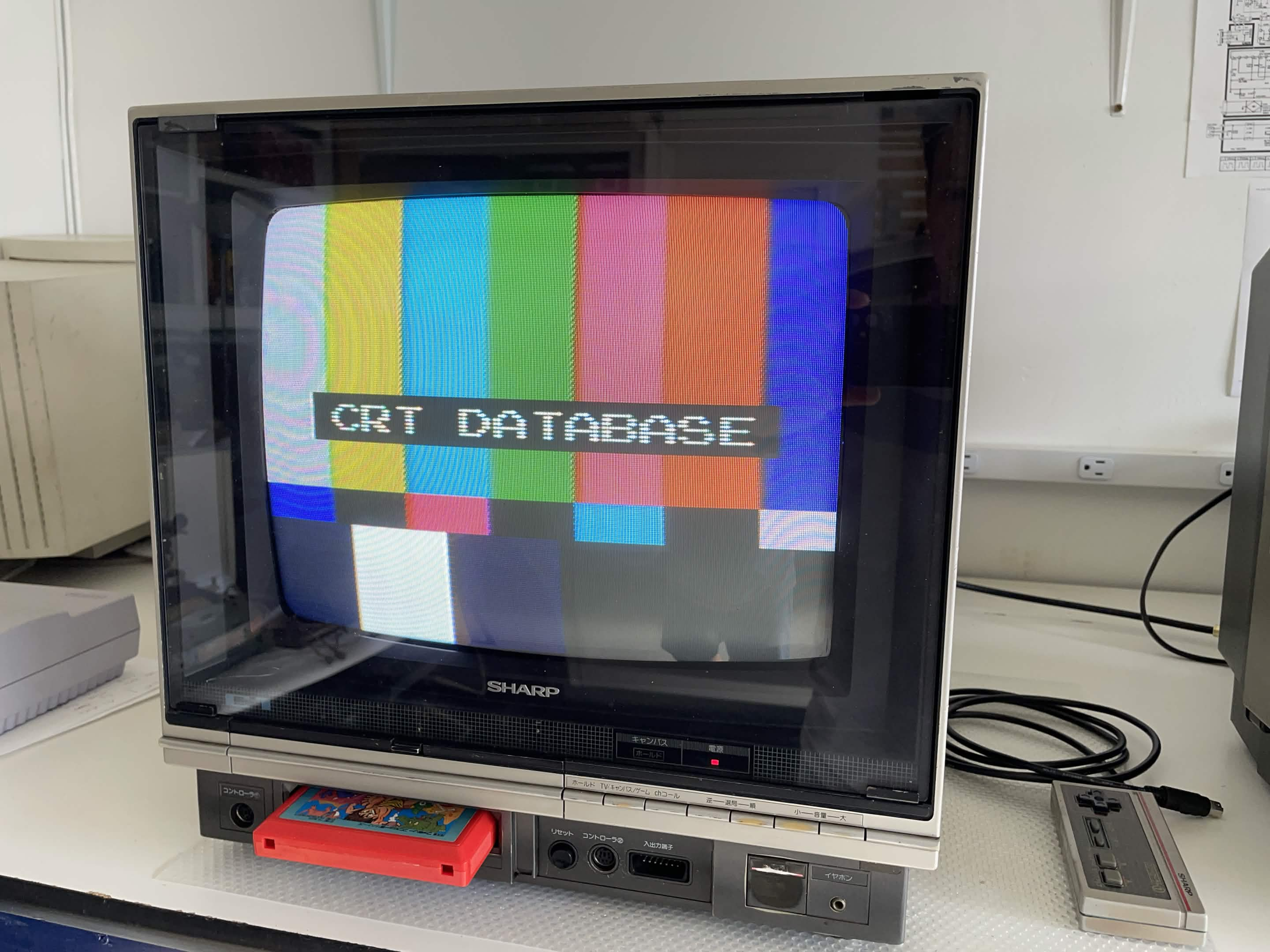
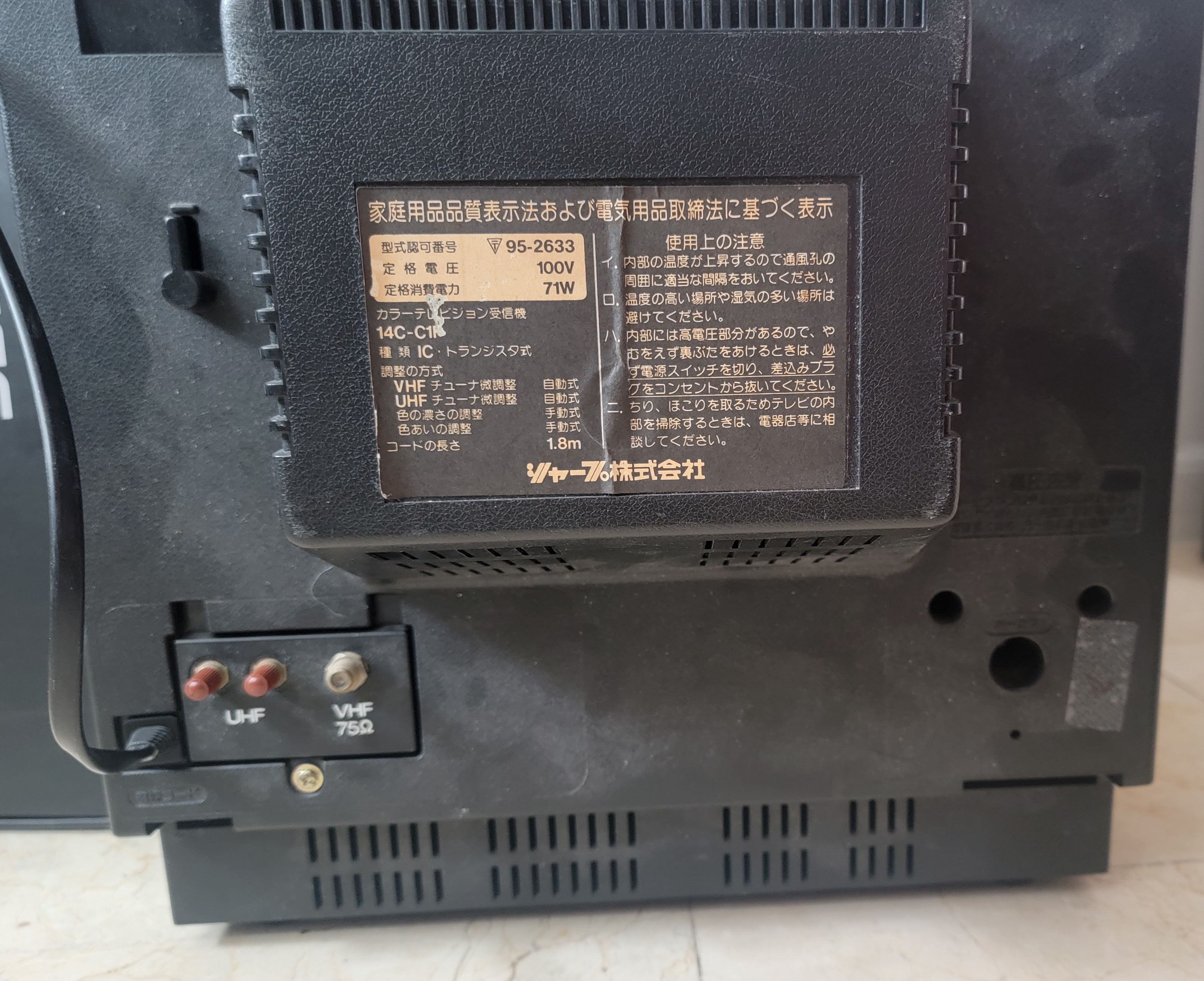
Unknown consumer Sharp CRT chassis modified to have an integrated Famicom, connected internally via RGB. Runs on 100vac Japanese power; do not plug directly into any other power standard without the proper step transformer for 100vac.
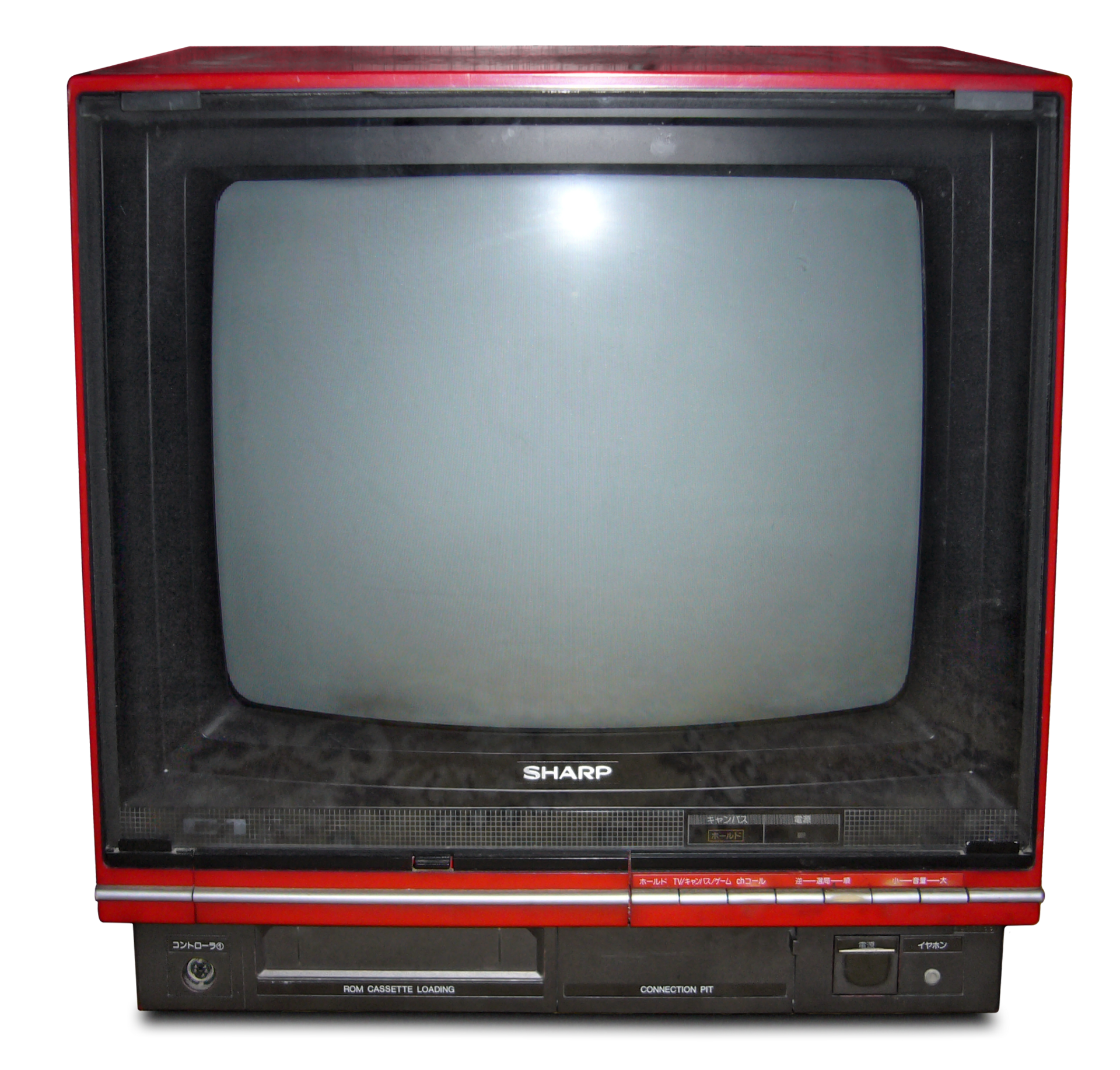
The Sharp C1 (ファミコンテレビC1 or My Computer TV C1) was a cathode-ray tube television with built-in Family Computer functionality. It was developed in collaboration with Nintendo and released by Sharp on October 4, 1983. The C1 was the earliest NES/Famicom-compatible console with RGB video output. Consequently, game developers frequently made use of the C1 for screenshots and marketing.
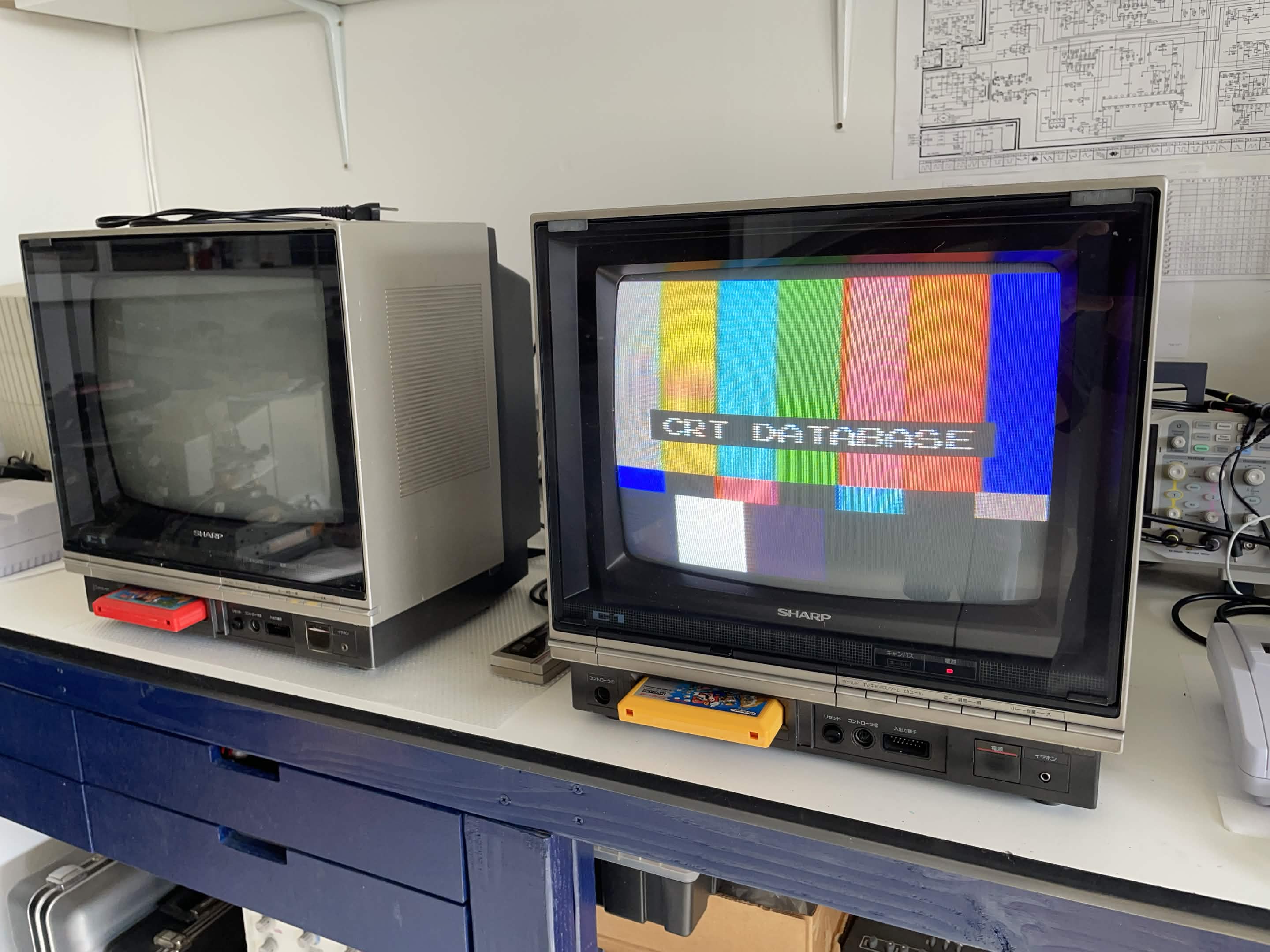
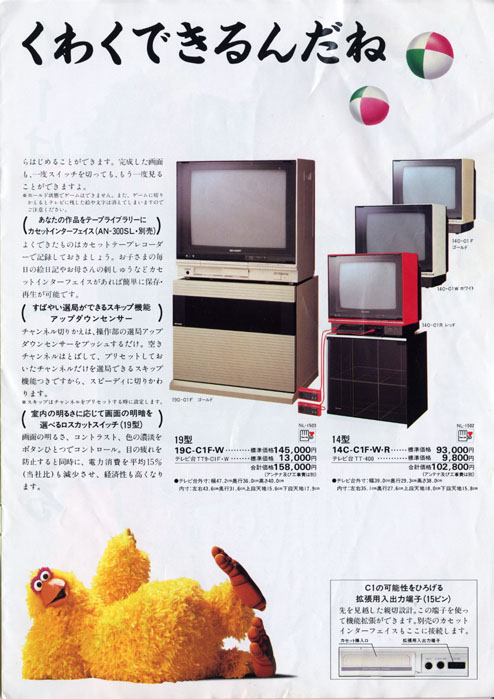
The model number indicates the screen size and cabinet color. The two available screen sizes were 14" and 19", represented by the first two digits. The final letter identifies the cabinet color. For example, 14C-C1R refers to the iconic red 14" C1, while 19C-C1F designates a silver 19" model. A (rare) multistandard version for foreign markets was available as well; these can be identified by the lettering "3-SYSTEM" next to the "C1" on the bezel.
The North American counterpart with a built-in NES was released under the name Sharp Video Game TV. Unlike the C1, the Sharp Game TV has its NES connected to the display by composite video rather than RGB. Source: NESdev.org
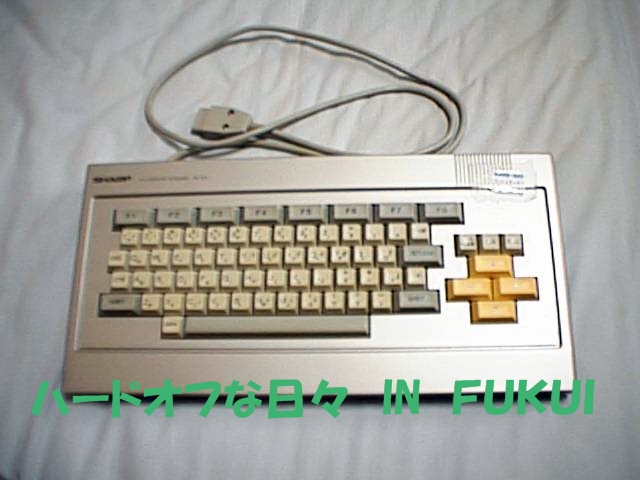
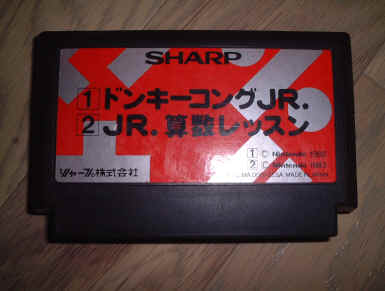
It comes with a special edition cartridge that includes "JR GRAPHIC," a software for drawing pixel art, and "TV NOTE," a memo function software, as well as a version containing only stages 1 and 4 of " Donkey Kong Jr. " and the EXERCISE mode of " Donkey Kong Jr.'s Math Play " (labeled "Jr. Math Lesson" on the cartridge).
Launch price was 93,000 yen in 1983.
Manuals
- Schematics (Huge thanks to Bruno Meyere for unearthing this from a Japanese TV schematics book)
Media & Promo Materials
Notes
The power supply design seems to be loosely based off the Nintendo VS. "Red Tent" arcade cabinets.
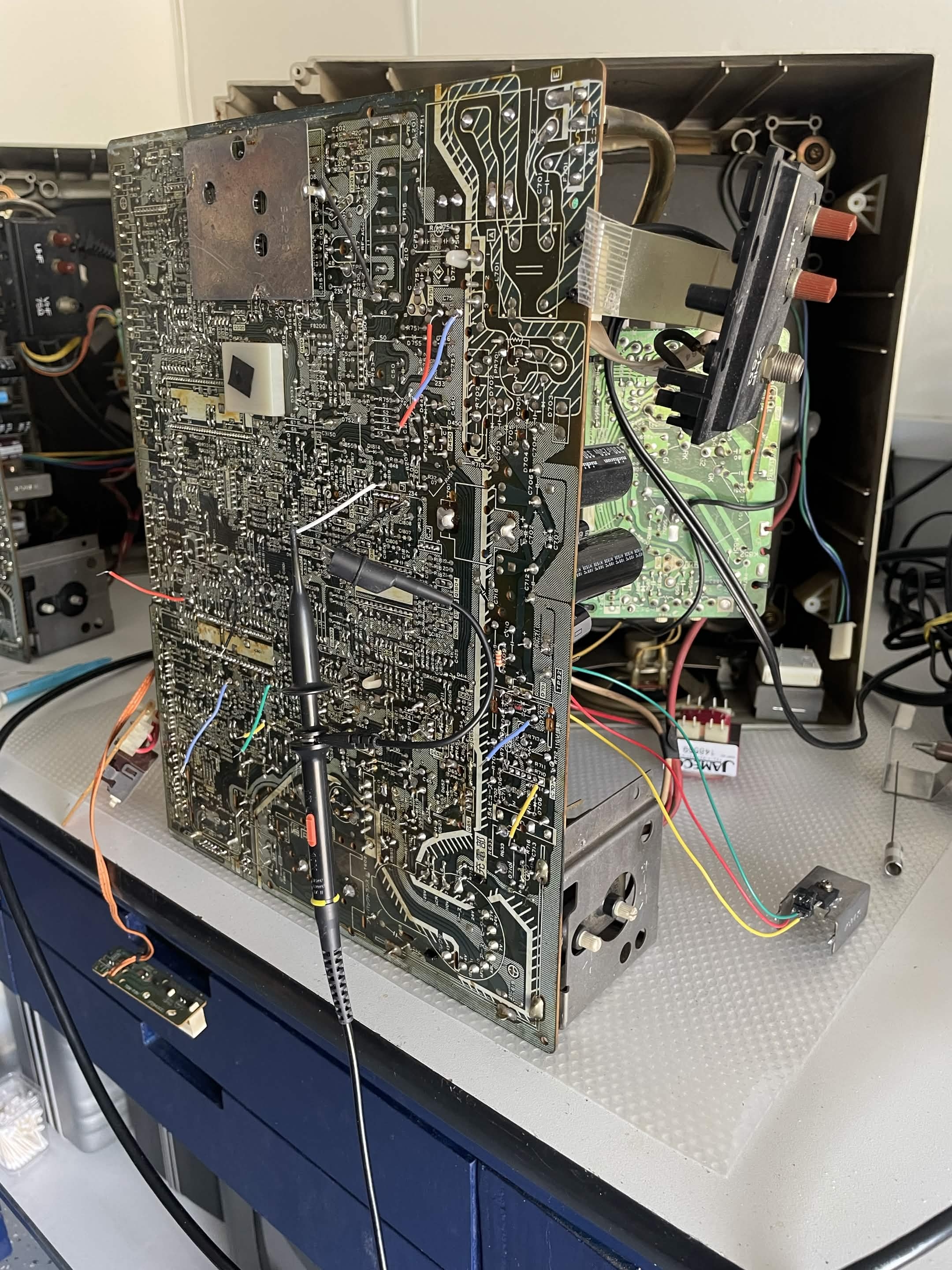
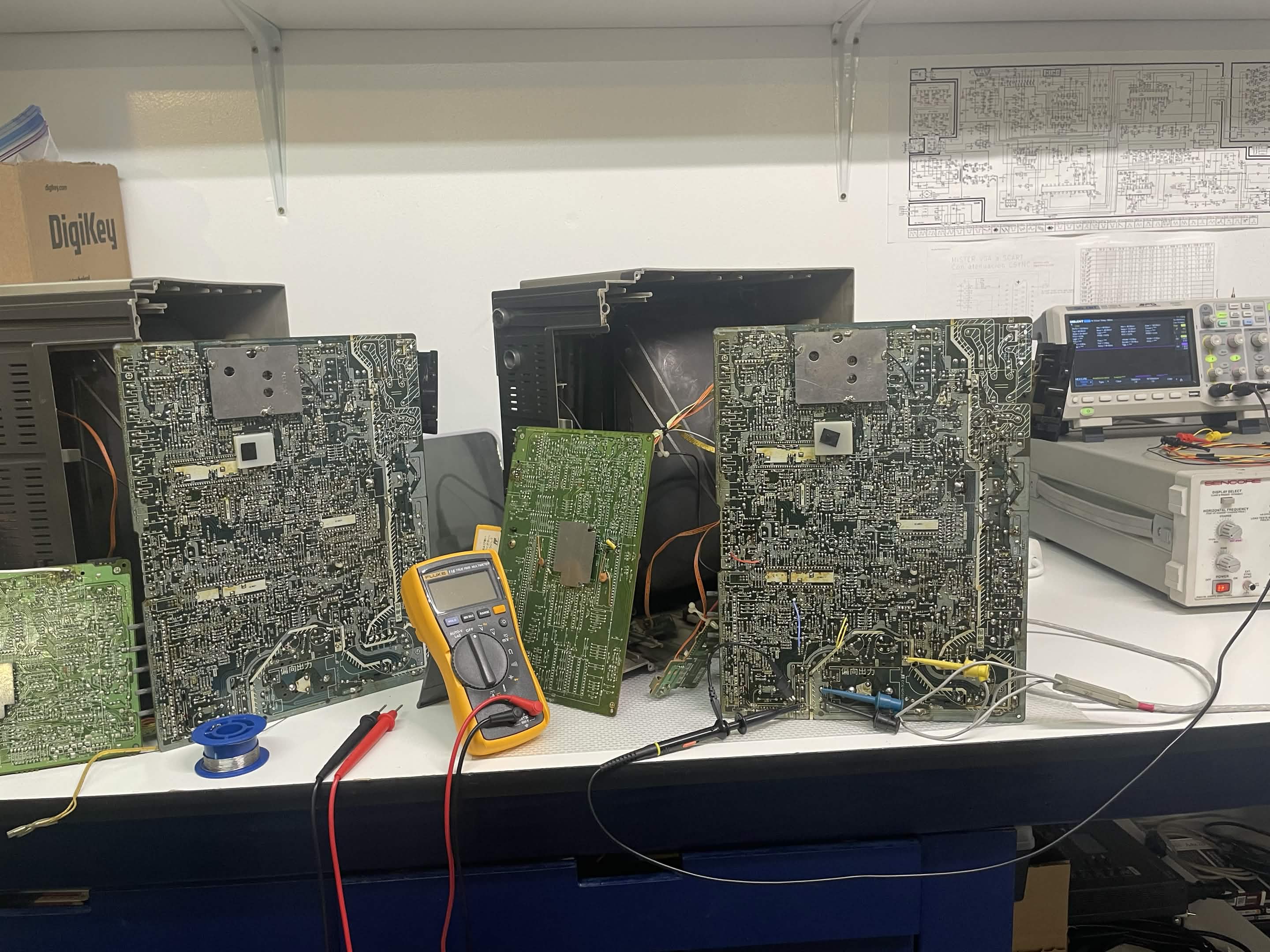
If the unit does not power on, you could try replacing the following components all at once:
- Zener Diode ZD707
- VR712 potentiometer (common failure)
- IC701 (NTE1751)
- SCR D701 (ECG/NTE5424) It is also possible for the secondary transformer (12v) to go open internally. We had to replace one in one of the pictured units for this entry - a brand new transformer was adapted to fit by bending its legs to match the PCB.
If unit has a solid white raster, replace R622.
The NES controller ports solder joints are a common failure point - if you have having input issues, check the solder joints at the ports. The original Sharp Famicom controllers that came with these have cables which are also prone to rubber rot - the insulation inside the controller wire may be deteriorated, leading to cross talking of signals. This can be proven with an oscilloscope.
Gallery
| Specifications | |
|---|---|
| Brand: | Sharp |
| Manufacturer: | Sharp, Nintendo |
| Model: | 14C-C1 |
| Series: | C1 |
| Viewable Size: | 13" |
| Input Signals: | RF (Japan) |
| Native Resolutions: | 240p, 480i |
| Horizontal Scan Range: | 15 kHz |
| Formats: | NTSC |
| Aspect: | 4:3 |
| Adjustments: | Internal Potentiometers, OSD Customer Controls |
| Horz. Output Transistor: | Toshiba, 2SD869 |
| Jungle IC: | Sharp, X0371CE |
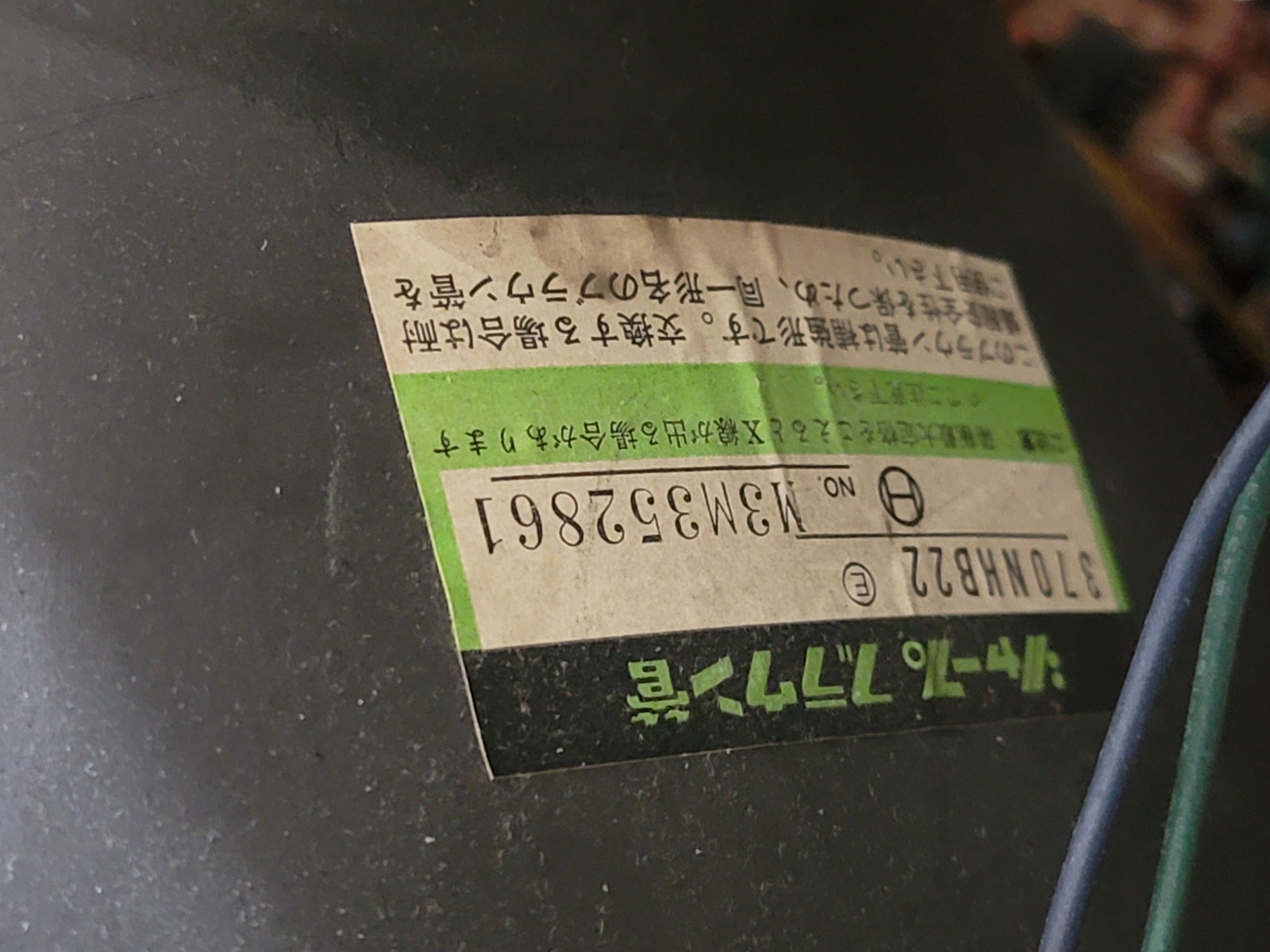
| Tube: | Sharp , 370NHB22 |
| Deflection: | 90° |
| Mask: |
Slot

|
| Tint: | Dark |
| Removable Glare Film: | No |
| Yoke: | Sharp, H1365CE, 3N12A |
| Speakers: | Mono |
| Weight: | 25.2 lbs (11.4 kg) |
| Dimensions (W/H/D): |
381 x 368 x 381 mm
(15 x 14.5 x 15") |
| Application: | Consumer |
| Cabinet Material: | Plastic |
| Launched: | 1983 |
| MSRP: | 811 USD |
| Country of Manufacture: | Japan |
| Market: | Japan |
| Power Standard: | 100v |
| Degaussing: | Automatic on Power-on |
| Tag: | Needs Owners Manual, Needs Service Manual, Hall of Fame, Needs Yoke Info, Integrated Game Console |
 This work is licensed under a